SBS Board Supplier in Delhi — 190-350 GSM, Coated One Side
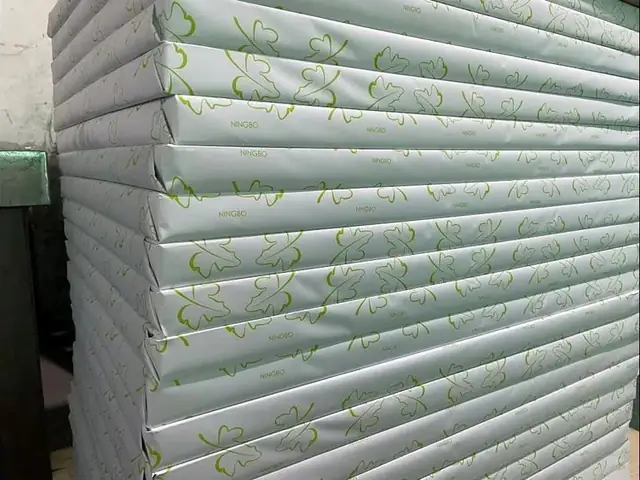
SBS board — solid bleached sulphate, written SBB on some mill specs — is a virgin-fibre board coated on one side, stocked here in 190-350 gsm on a natural or white base. Sigma Enterprises supplies it wholesale from Ramesh Nagar, New Delhi to packaging converters, carton printers and pharmaceutical packers across Delhi NCR and the rest of India. Converters specify SBS rather than duplex for one reason: fibre. The sheet is bleached chemical pulp throughout, with no recycled core and no grey reverse, which is why it is the usual specification for food-contact cartons, pharmaceutical folding boxes and premium retail packaging. The coated face gives consistent ink holdout through offset and UV work; the uncoated back stays clean and will take an aqueous or PE coat where the pack requires it. Grammages in the 190-250 range go into lightweight cartons and sleeves; 300-350 gsm is used where the carton must stand unaided. State board size, grammage, base shade and end use when enquiring.
Specifications
- Grammage
- 190-350 gsm
- Coating
- Coated one side (C1S)
- Base shade
- Natural or white
- Fibre
- Virgin bleached chemical pulp — no recycled core, no grey reverse
- Also known as
- SBB (solid bleached board), FBB (folding box board)
Typical applications
- Food-contact cartons and sleeves
- Pharmaceutical folding boxes
- Premium retail and cosmetic packaging
- Lightweight cartons and sleeves in the 190-250 gsm range
- Self-standing cartons in 300-350 gsm
- Offset and UV printed carton work
SBS Board — what buyers ask
What is the difference between SBS and FBB board?
They describe the same class of material from two vocabularies. SBS — solid bleached sulphate — is the importer's and the spec sheet's term for coated virgin-fibre board; FBB, folding box board, is what Indian mills and converters usually call it, and some specifications write SBB. A buyer asking for FBB and a buyer asking for SBS are, in most cases, asking for the same coated virgin-fibre carton board.
Is SBS board food grade?
SBS is the board class normally specified for food-contact cartons, because it is bleached virgin fibre with no recycled core — recycled content is where mineral oil and ink residue migration concerns come from. Food grade is nevertheless a property of the specific grade and any barrier coating, not of the category as a whole. If the carton touches food, say so when enquiring so the right grade is quoted.
What gsm SBS board is used for food cartons?
It follows the carton, not the contents. Within the 190-350 gsm range stocked here, 190-250 gsm goes into lightweight cartons, sleeves and wraps, while 300-350 gsm is used where the carton has to stand unaided on a shelf or carry weight. Pack dimensions, filled weight and whether the carton is machine-erected all move the number. Send the box size and we will suggest a grammage.
What is the difference between SBS board and duplex board?
Fibre and reverse side. SBS is bleached virgin pulp throughout with a clean back; duplex is a multi-ply board with a recycled core and a grey or white reverse. Duplex is the economical folding-carton board for general retail packaging. SBS costs more and is specified where fibre purity matters — food contact, pharmaceutical packing, premium retail — or where the inside of the pack is seen by the customer.
What does coated one side mean on board?
It means only the printing face carries a mineral coating and the reverse is left uncoated. Spec sheets write it C1S. The coated face gives the ink holdout a carton needs for sharp offset and UV work, while the uncoated back stays absorbent — which is what lets it take an aqueous or PE barrier coat, glue cleanly at the side seam and accept a batch code.