Kappa Board Supplier in Delhi — Rigid Grey Board Sheets
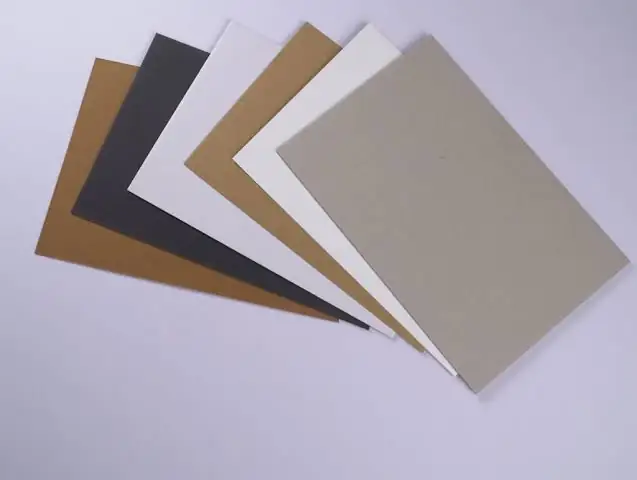
Kappa board is a dense, uncoated grey board — also sold as grey board or chipboard — made from recycled fibre pressed to high bulk density. It does not fold. It is cut, laminated and covered, which is what makes it the structural material behind rigid boxes, hardcover book covers, mounts, files, game boards and calendar backs. Sigma Enterprises supplies the board itself, wholesale from Ramesh Nagar, New Delhi, to rigid box makers, binders, printers and packaging converters across Delhi NCR and India; finished boxes are not part of the range. Unlike printing papers, kappa is ordered by thickness in millimetres as much as by grammage. The working range in the trade runs roughly 1.0 to 3.0 mm, with thinner boards used for file covers and lighter packaging and 2.0 mm and above for hardcover binding and rigid box walls. Flatness and even caliper matter more than surface appearance, because the board is wrapped in printed paper or cloth before anyone sees it, and an uneven caliper shows up as a wavy finished box. State thickness, sheet size and quantity.
Specifications
- Type
- Dense uncoated grey board — also grey board or chipboard
- Fibre
- Recycled, pressed to high bulk density
- Ordered by
- Thickness in millimetres, alongside grammage
- Surface
- Uncoated grey both sides — wrapped or covered before use
- Supplied as
- Board sheets; finished boxes are not part of the range
Typical applications
- Rigid box construction
- Hardcover book covers and binding
- Mounts and mount board
- File and folder covers
- Game boards
- Calendar backs
Kappa Board — what buyers ask
What is kappa board?
Kappa board is a dense, uncoated grey board made from recycled fibre pressed to high bulk density. It does not fold: it is cut, laminated and covered, which makes it the structural material inside rigid boxes, hardcover books, mounts, files, game boards and calendar backs. It is sold under three names in India — kappa board, grey board and chipboard — all describing the same material.
Do you supply finished kappa board boxes?
No. Sigma Enterprises supplies the board itself, wholesale, to rigid box makers, binders, printers and packaging converters — finished boxes are not part of the range. If you are making the box, tell us the thickness, sheet size and quantity and we will quote the board. If you need a finished box, a rigid box manufacturer is the right supplier to approach.
How is kappa board measured, in mm or gsm?
Both, and the millimetre is the number that governs. Unlike printing papers, kappa is specified by caliper — thickness in millimetres — because its job is structural, with grammage quoted alongside. Two boards at the same grammage can differ in thickness depending on how hard the fibre is pressed. Give the thickness you need, and the grammage if the specification carries one.
What thickness of kappa board is used for rigid boxes?
In the trade, rigid box walls are commonly built from 2.0 mm and above, with thinner board used for lighter packaging and inner partitions. The working range for kappa runs roughly 1.0 to 3.0 mm. The right figure depends on box size, the weight it carries and whether walls are single or built up in layers — send the box dimensions and we will suggest a caliper.
What grey board thickness is used for hardcover book binding?
Hardcover cases are generally made from 2.0 mm board and upward, moving heavier as the trim size grows so the cover stays flat against the block. Thinner board is used for smaller formats, notebooks and lighter cases. Flatness and even caliper matter more than surface appearance here, because the board is covered in printed paper or cloth before anyone sees it.
Can kappa board be folded?
No, and that is the point of it. Kappa is pressed dense and will crack rather than crease if you try to fold it, which is why rigid boxes are built from cut pieces joined and covered rather than from a single folded blank. If the job needs a board that folds, duplex board is what it is asking for — that board is engineered to crease and fold cleanly.