Tracing Paper — Wholesale Sheets & Rolls in Delhi
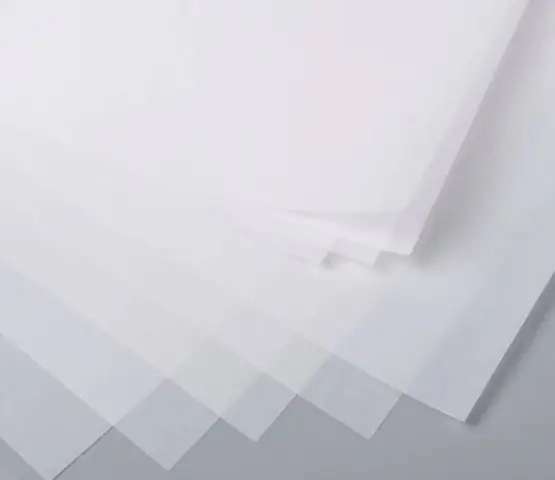
Tracing paper is a highly calendered, translucent sheet made by working the fibres until light passes through without the stock losing its printing surface. That combination — see-through, but still takes pencil, technical pen, offset ink and toner cleanly — is the whole reason it exists, and it is why nothing else substitutes for it properly.
Three buyer groups order it from Delhi. Architects, engineers and draughtsmen use it for overlays and drawing work. The apparel trade uses it for pattern making and marker layout, where sheets and rolls both matter. And the printing trade increasingly uses it decoratively — as an interleaf sheet in premium packaging, as a jacket over an invitation, as a diffusing layer in menu and portfolio work.
It is quoted by grammage and by degree of translucency, and heavier grades hold up better under handling and pen pressure. It is worth confirming the intended process before ordering: tracing paper behaves differently under toner heat than it does under offset ink. State sheet size or roll width, grammage and quantity when enquiring.
Specifications
- Type
- Highly calendered translucent paper
- Surface
- Takes pencil, technical pen, offset ink and toner
- Quoted by
- Grammage and degree of translucency
- Form
- Sheets and rolls
Typical applications
- Architectural and engineering overlays
- Technical drawing
- Garment pattern making and marker layout
- Interleaf sheets in premium packaging
- Jackets over invitations and wedding cards
- Menu and portfolio work
Tracing Paper — what buyers ask
What gsm tracing paper should I use?
Heavier grades hold up better under handling and pen pressure; lighter grades are more translucent and cheaper in volume. Indian listings most often advertise around 90 gsm and 90/100 gsm for general drawing and printing use, with lighter weights sold for sketch overlays. Confirm what is currently available before specifying, and tell us whether the sheet will be drawn on, printed or used decoratively.
What is the difference between tracing paper and butter paper?
They are constantly confused and are not the same. Tracing paper is highly calendered so light passes through while the surface still takes pencil, ink and toner — it is made for drawing and printing. Butter paper is a greaseproof wrapping paper made for food use; its translucency is a side effect, and it neither takes ink well nor holds a drawn line cleanly.
Is tracing paper the same as vellum?
Not originally, though the words are now used loosely. True vellum was animal skin; in modern usage, particularly American, vellum means a translucent drafting or craft paper very close to what India calls tracing paper. If a specification says vellum, ask what weight and translucency is meant rather than assuming, because the same word also describes an opaque textured finish on some papers.
Does tracing paper come in rolls or only sheets?
Both. Rolls suit continuous work — architectural drawing, and pattern making and marker layout in the apparel trade, where an uninterrupted length is the point. Sheets suit printing, overlays, interleaving and invitation work where a finished size is needed. State roll width or sheet size along with grammage and quantity when enquiring, and confirm current stock before planning a run.
Why does tracing paper curl, and how do you stop it?
Because it is thin and heavily calendered, it responds sharply to moisture, taking up humidity on one face faster than the other and cockling. Store it flat and wrapped, away from damp, and let it acclimatise to the press room before printing. Heat from a laser fuser or a drying tunnel will also curl it, which is why the process should be confirmed before ordering.
Can tracing paper be printed on an offset or digital press?
Yes, and both are done routinely for invitations, overlays and packaging interleaves, but neither is as forgiving as printing on ordinary paper. The surface is non-absorbent, so offset ink sits on top and needs longer to set, while toner printing has to contend with fuser heat and curl. Colour reads muted through the translucency. Run a test sheet before committing a run.